
Joint Injections That Target the Injury
Regenerative Therapy in South Orange County for active adults dealing with a sports injury
Knee, ankle, and elbow injuries from high-impact sports and repetitive motion do not always require surgery or long-term pain medication. Coastal Concierge Primary Care offers joint injections as a treatment option for appropriate patients. Dr. Poormehr personally performs all injections using his extensive clinical experience to accurately identify the treatment area and deliver care tailored to each patient's condition.
The goal of joint injection therapy is to help reduce pain, improve function, and support recovery so patients can remain active while potentially avoiding more invasive treatment options. If regenerative therapy is determined to be the most appropriate approach, Dr. Poormehr will discuss the procedure, expected benefits, and associated costs before treatment. Because the highest-quality regenerative therapies are typically not covered by insurance or the annual membership, any out-of-pocket expenses will be reviewed in advance.
Schedule an evaluation to determine whether joint injection therapy is an appropriate treatment option for your condition.
Why Regenerative Protocols Work for Joint Injury
Regenerative joint injections introduce biologic compounds directly into the damaged tissue to stimulate the body's natural repair mechanisms. The injection is placed precisely into the joint space, tendon, or ligament where degeneration has occurred, and the compound works over time to reduce inflammation, support tissue regeneration, and improve joint stability. Dr. Poormehr evaluates your injury history, activity level, and imaging results when available to determine which injection protocol fits your condition and whether single or multiple treatments are needed.
Patients report improved mobility, reduced pain during activity, and better joint stability after completing the injection series. These outcomes are not immediate, as tissue repair takes weeks to months depending on the severity of the injury, but the improvement is structural rather than temporary pain masking. The therapy works best when combined with appropriate activity modification and physical rehabilitation to support the healing process.
Not every joint injury responds to regenerative therapy. Dr. Poormehr discusses your imaging findings, the extent of cartilage loss or tendon damage, and realistic expectations before beginning treatment. Patients with advanced arthritis or complete tendon ruptures may require surgical referral rather than injection therapy.
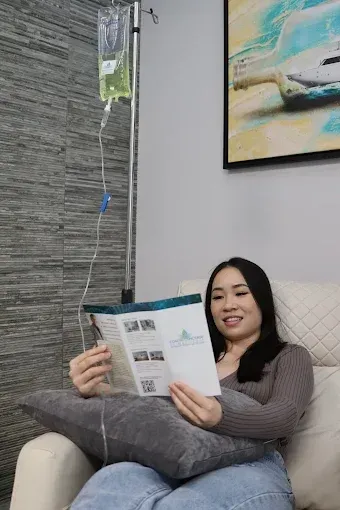
Adults considering regenerative therapy for joint pain often want to understand how the injections work and what outcomes they can expect. These answers address the most common concerns raised during consultations.
How does Dr. Poormehr ensure accurate injection placement?
He uses anatomical palpation to locate the injury site and guide needle placement for most injections.
What should I expect after the injection?
You may notice soreness at the injection site for a few days as the tissue responds to the treatment, and improvement in pain and function typically develops gradually over two to six weeks as the repair process unfolds.
When is regenerative therapy not the right option?
Patients with severe cartilage loss, complete ligament tears, or joint instability that requires surgical reconstruction are better served by orthopedic referral, and Dr. Poormehr provides those referrals when imaging or exam findings indicate that injection therapy will not produce meaningful improvement.
Questions Before Starting Treatment
Coastal Concierge Primary Care evaluates every joint injury individually to determine whether regenerative therapy offers a viable alternative to surgery or long-term medication. Set up a consultation with Dr. Poormehr to discuss your injury and review your treatment options.